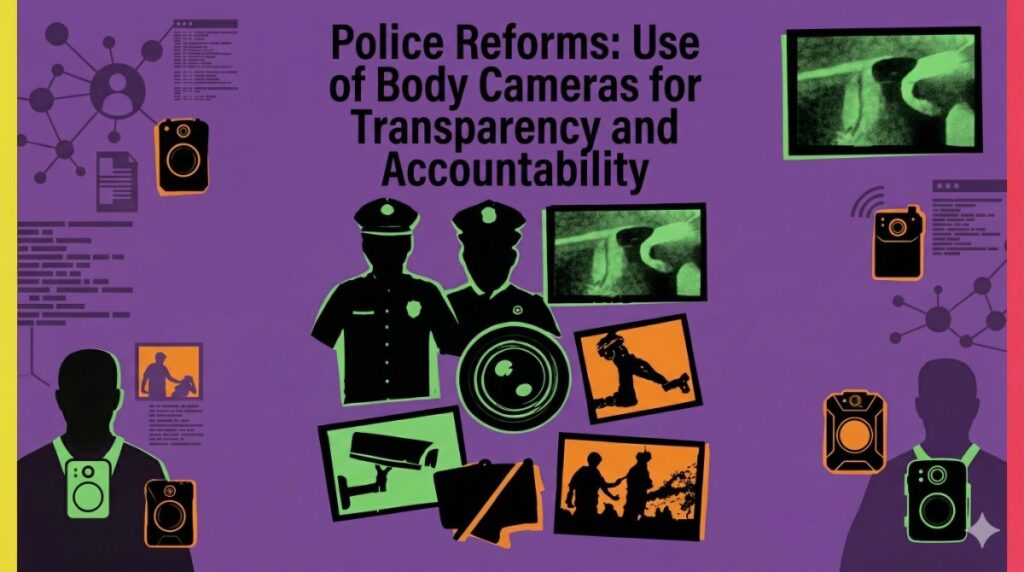
The concept of body cams worn by the law enforcement officers is predominantly famous in the United States of America. Only a certain urban Indian population is aware of this measure because of famous entertainment shows, for instance The Rookie and many more, which take the viewers into the shoes of law enforcement officers. Well, it is an undisputed fact that in present times, the police force of India still relies on traditional equipment which can cause hindrances in the functions of law enforcement personnel
The introduction of body-worn cameras (BWCs) for police officers represents a significant step toward enhancing accountability and transparency in law enforcement. This technology-driven reform addresses long-standing concerns about police conduct while providing protection for officers against false accusations.
Body cameras serve multiple objectives. They provide objective documentation of police-public interactions, reducing reliance on conflicting testimonies. The presence of cameras can de-escalate potentially volatile situations as both officers and citizens may behave more responsibly when recorded. Additionally, footage serves as valuable evidence in criminal proceedings and disciplinary actions. The alleged incidents of botched-up investigations can be easily tackled with body cameras.
Several countries have implemented BWC programs with measurable results. Studies from the United Kingdom and United States indicate reductions in complaints against police officers and use-of-force incidents. However, outcomes depend significantly on clear policies governing camera usage, data storage, and access protocols.
Implementation in India
Various Indian states have initiated pilot programs for body cameras. Mumbai Police, Delhi Police, and several other departments have deployed BWCs in specific units. The Bureau of Police Research and Development has issued guidelines for implementation, though comprehensive national standards remain under development. At present, only a handful of officers have BWCs, while the rest of the force awaits issuance.
Implementation must balance transparency with privacy rights protected under Article 21. Clear protocols are needed regarding when cameras should be activated, how long footage should be retained, and who can access recordings. Special considerations apply to recording in private spaces, interactions with minors, and sensitive investigations.
Challenges to Address & The Road Ahead
Infrastructure requirements including data storage and management systems present significant costs. Training officers on proper usage and ensuring compliance requires ongoing effort. Maintaining equipment, particularly in challenging field conditions, poses operational difficulties. Additionally, developing clear policies on public access to footage while protecting investigation integrity requires careful balance.
For BWCs to be effective, implementation must be accompanied by comprehensive standard operating procedures, robust data protection mechanisms, and independent oversight of footage review processes. Regular audits and transparency about camera usage patterns will build public trust. Combined with other police reforms, body cameras can contribute significantly to modernizing law enforcement while protecting rights. Body cams paired with dash cams installed in patrolling vehicles will ensure that both law enforcement agencies and citizens feel relatively safer, since the feeling of being watched often helps to de-escalate situations, serves as evidence, and overall serves as a better tool in administering justice.
References:
- Bureau of Police Research and Development Guidelines
- Supreme Court directives on police reforms
- Article 21, Constitution of India