
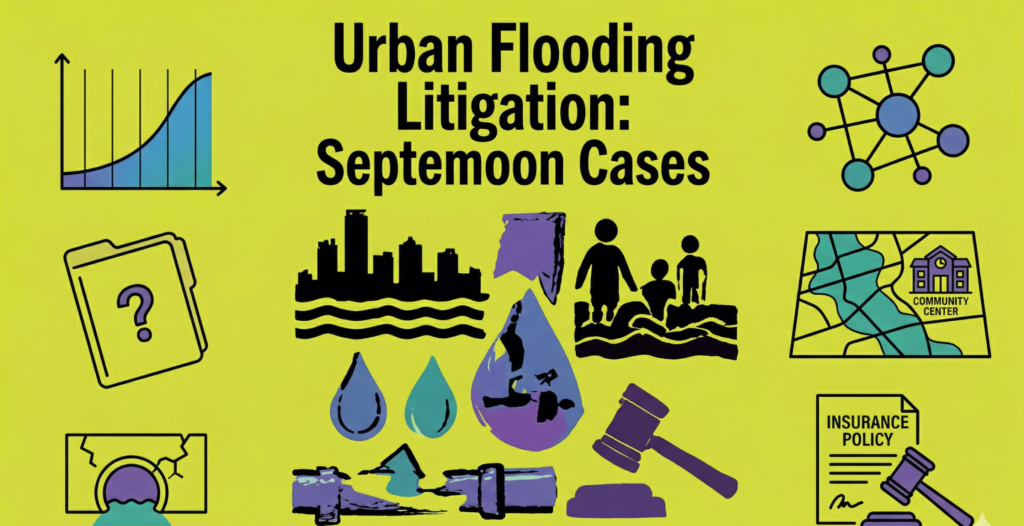
Urban flooding has emerged as a critical challenge for Indian cities, with monsoon seasons increasingly bringing severe inundation. Recent litigation highlights both systemic failures and potential legal remedies for addressing this growing crisis.
Rapid urbanization coupled with inadequate drainage infrastructure has made many Indian cities vulnerable to flooding. Encroachment on water bodies and drainage channels, concretization reducing natural water absorption, and climate change intensifying rainfall events all contribute to the problem. Poor urban planning and inadequate maintenance of existing systems exacerbate vulnerabilities.
Recent Litigation Trends
Public Interest Litigations filed during the 2025 monsoon season address various aspects of urban flooding. Cases challenge municipal authorities’ failure to maintain drainage systems and prevent encroachments. Litigation seeks compensation for flood victims who suffered property damage and loss. Petitions demand implementation of comprehensive flood management plans. Additionally, cases address accountability for deaths and injuries resulting from flooding and waterlogging.
Legal Framework
Multiple statutes provide basis for flood-related litigation. The Environment (Protection) Act, 1986 mandates environmental safeguards including watershed protection. Municipal corporation acts impose duties regarding drainage, sanitation, and infrastructure maintenance. The Disaster Management Act, 2005 addresses flood preparedness and response. The Right to Life under Article 21 has been interpreted to include protection from environmental hazards, providing constitutional foundation for such claims.
Judicial Response
Courts have taken increasingly proactive stances on urban flooding. Orders directing removal of encroachments on water bodies and drainage channels have been issued. Municipalities have been directed to prepare and implement comprehensive drainage plans. Compensation has been awarded in cases of negligent maintenance causing flood damage. Monitoring committees have been established to oversee implementation of flood management measures.
Systemic Issues Identified
Litigation reveals several recurring problems. Lack of coordination between multiple agencies responsible for drainage and water management hampers effective response. Insufficient budgetary allocation for infrastructure maintenance creates long-term vulnerabilities. Failure to enforce building regulations and prevent encroachments undermines drainage capacity. Absence of integrated urban water management approaches prevents comprehensive solutions.
Solutions and Reforms
Addressing urban flooding requires multiple interventions. Restoration of water bodies and natural drainage systems must be prioritized. Investment in modern drainage infrastructure including pumping stations and retention ponds is essential. Enforcement of regulations preventing encroachments and unauthorized construction protects drainage capacity. Integrated flood management plans incorporating early warning systems and emergency response protocols improve resilience.
Urban flooding litigation serves as catalyst for systemic reforms, highlighting the urgent need for comprehensive, well-funded approaches to urban water management.
References:
- Environment (Protection) Act, 1986
- Disaster Management Act, 2005
- Article 21, Constitution of India
- Relevant municipal corporation acts